Showing posts with label Cistulli Recipe. Show all posts

Thursday, July 17, 2008

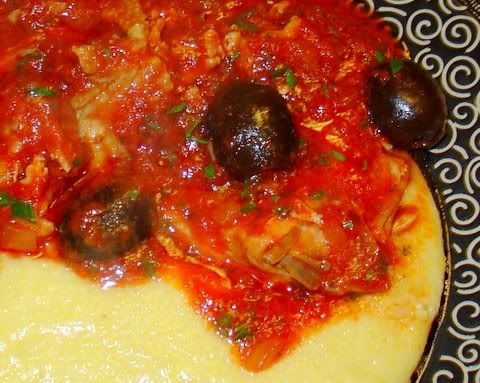
Chicken Cacciatore

This has to be the easiest of all our grandmother's recipes and it's the one I go to when I need to prepare a dinner that is quick and keeps me out of the kitchen except to check on progress. I love to serve it over polenta.


Ingredients:
4 chicken breasts
1 medium yellow onion
4 large cloves of garlic
4-6 large sage leaves
3T chopped flat leaf parsley
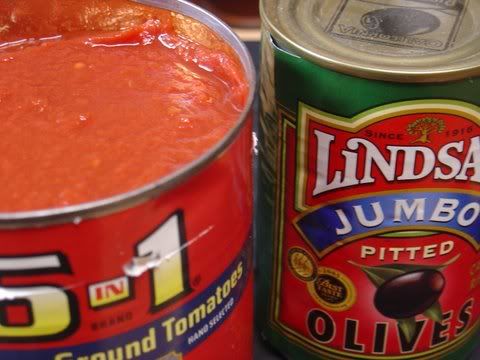
1 can black olives
1 lg can 6in1 tomato sauce
extra virgin olive oil for browning the chicken and sauteing the onion

Directions:


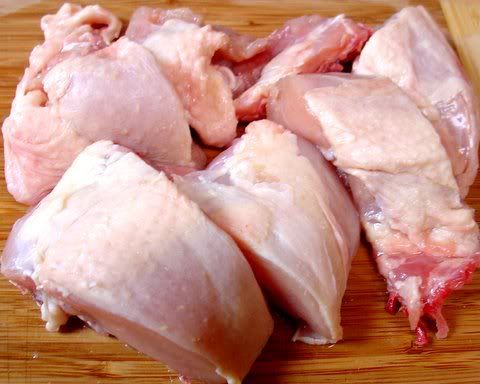
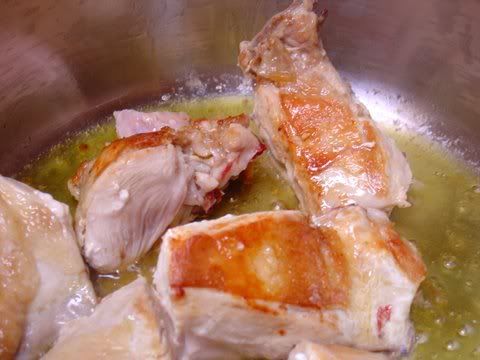
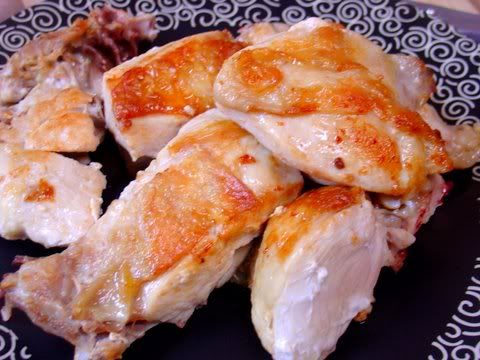
Cut the chicken breasts into thirds leaving on the skin and bone, then saute in a 6 quart saute or frying pan with lid. Add olive oil to the pan and saute the chicken parts over a medium flame. Turn the chicken to brown all sides. When the chicken has browned, remove from the pan and set aside.
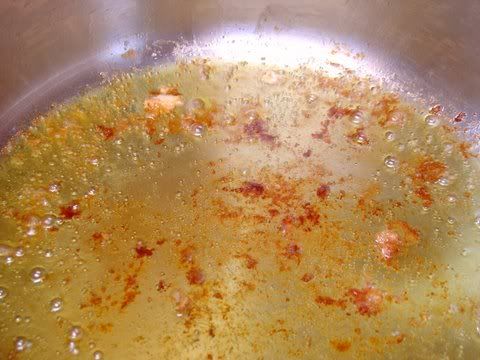
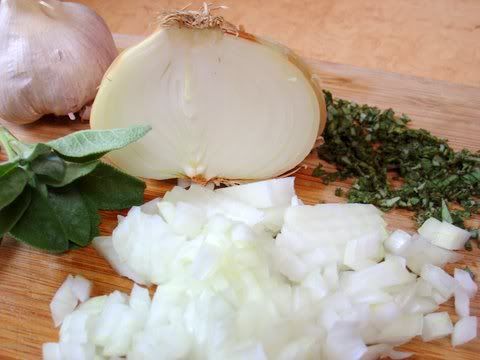
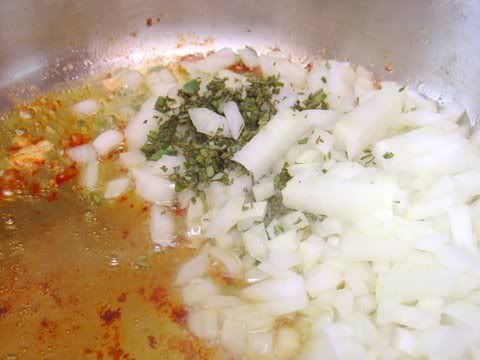
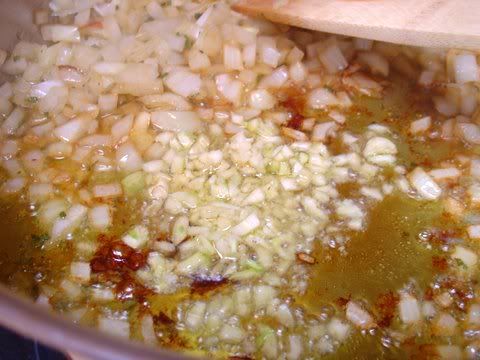
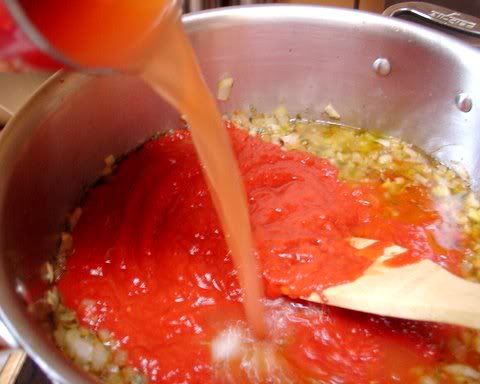
Use the same pan so you can have the added flavor of the chicken bits leftover from sauteing the chicken, add the finely diced onion and saute a few minutes. Then add the minced garlic, minced sage, and finely chopped parsley. Saute them for a minute or so. Add the tomato sauce with half a can of water. You might want to substitute 2 small cans of Del Monte tomato sauce for the 6in1, but use less water as it is a thinner product.
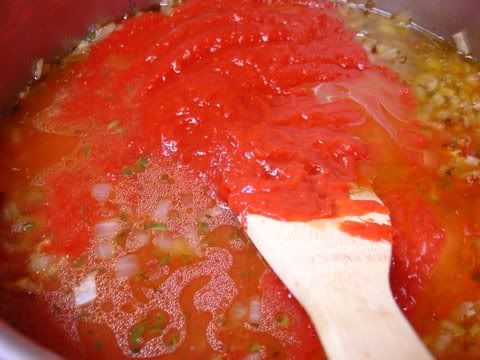
Stir to incorporate ingredients evenly. Add back the chicken and any juices that drained from it, so that it is completely covered in the sauce. Now drain the can of olives and pour them on top of the
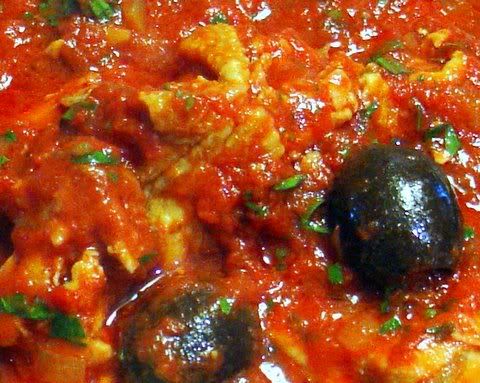
chicken, cover the pan, and lower the heat to a simmer. After it starts bubbling, stir it and partially uncover so the sauce can thicken from evaporation.

Check this every 15 minutes and stir to prevent sticking. It should be tender and ready to serve within 45 minutes to an hour. If the sauce is getting too thick, you may wish to add more water to thin this out (sometimes I do, other times I don't add water...it depends on the sauce I use, but it was in the original recipe even when Nana used a thinner sauce like Del Monte). The original recipe also calls for olives with pits, but I can never find them. Nana swore they made the cacciatore taste better. Serve over polenta or use as a pasta sauce after carefully taking out the bones.
Monday, July 7, 2008

Nana's Potato Salad

This is not an exact recipe, but Nana didn't measure out ingredients anyway, so it's at least her original recipe, through and through. When she was a young woman, Nana worked for a short time in a delicatessen and she mentioned that this was a German potato salad. I have only seen German recipes for a warm salad and they usually include bacon, so Nana took liberties with the original, but came up with a very good taste nonetheless.

Ingredients:
white potatoes (any waxy potato)
red onion
red wine vinegar
extra virgin olive oil (Nana may have used corn oil)
mayonnaise
parsley
salt
Directions:
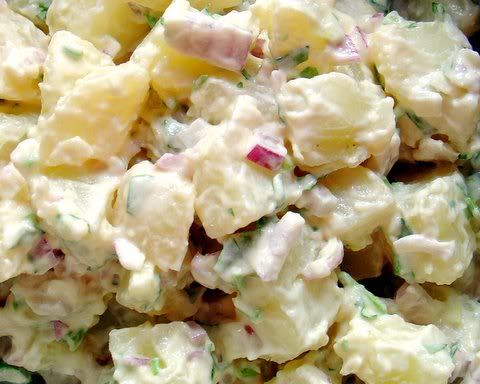
Boil the amount of potatoes you want to use and cook until easily pierced with a fork. Take off the stove, drain and fill the pot with cold water several times to cool down the potatoes quickly. Drain off the water again and peel the potatoes. Cut the potatoes into cubes, not thin slices, and sprinkle each layer of potatoes with a little vinegar. Once you have filled the bowl with potatoes, add finely diced red onions and finely chopped parsley. Drizzle with extra virgin olive oil and mix, then add some mayonnaise and salt and mix thoroughly. I think 1 medium red onion would be enough for 5 pounds of potatoes, along with about 1/3 a bunch of parsley. If you can do the proportions similar to those in the photo, you'll have it.
Sunday, June 22, 2008

Fried Baby Artichoke Hearts

Fried artichoke hearts are my favorite vegetable side dish, my favorite appetizer and my favorite recipe to pass along. My grandmother could not keep up with the demand and had to shoo the grandchildren away, so she could accumulate enough to set out on the table.

How to Clean a Baby Artichoke:

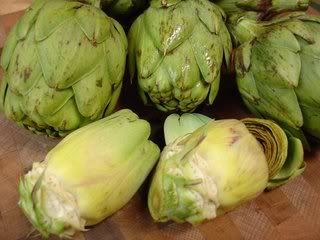
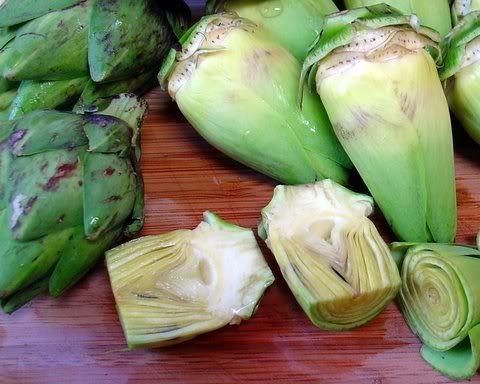
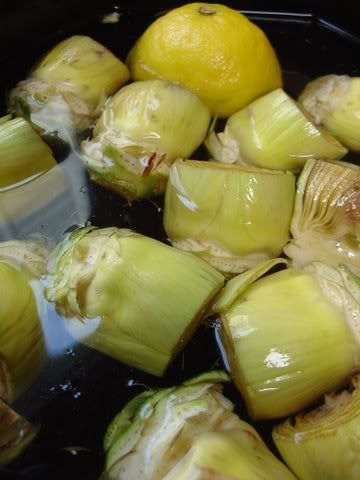
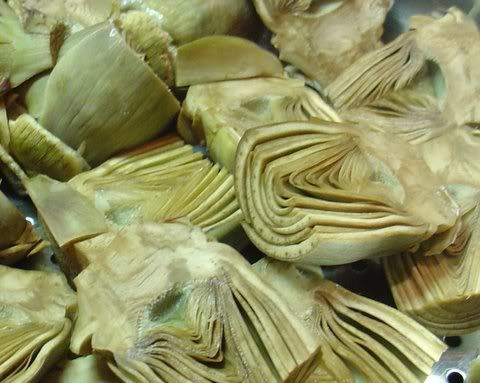
First of all you need to select a good candidate. The heavier the artichoke for its size, the better, and I prefer those with rounded tops. Cut off the stem and start peeling away the outer, tougher leaves until you feel less resistance. You should have gotten to the lighter and yellowish colored leaves. Next cut off the top third of the artichoke and for this dish, cut them in half lengthwise and set aside in water with lemon juice so they do not oxidize and turn color.
Ingredients:
24 baby artichokes
1C flour
3 eggs
2 cloves garlic
1 5" sprig of rosemary
olive oil (enough to cover the bottom of the frying pan by3/4")
salt

Directions:

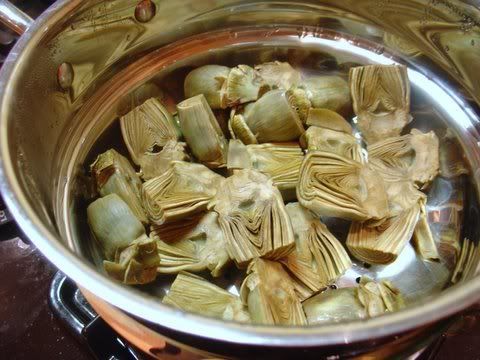
After selecting and cleaning the artichoke hearts, steam in a microwave or on the stove top for about 5 minutes. This is a trick employed by my aunt Evelyn to cut down on the cooking time of the fried artichokes, and a great trick it is. You do not want to cook them all the way through, just long enough to start the cooking process. Place the olive oil into a large frying pan along with the sprig of rosemary and 2 peeled cloves of garlic that have been crushed with the flat side of a chef's knife) or your hand. The object is to flavor the oil as it is heated over a medium flame, so I sometimes bruise the rosemary too.

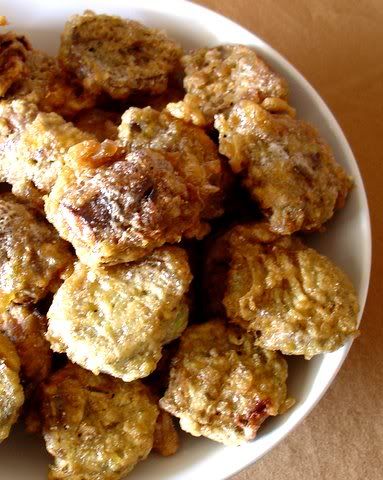
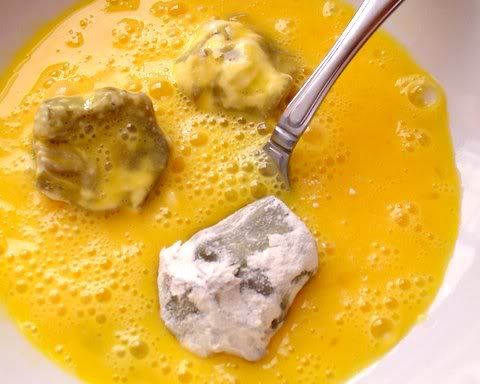
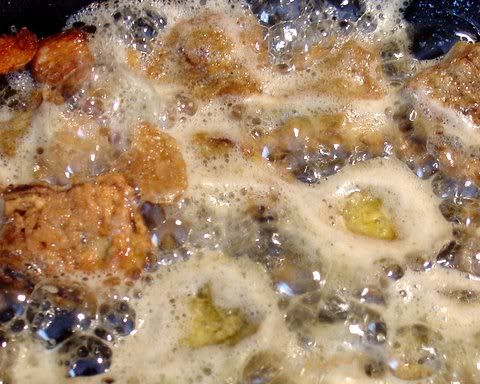
Next step is to beat the eggs and add salt and pepper if you wish, but I personally never use pepper and only salt after the frying and draining of the artichokes. Flour each artichoke half; since they are damp from steaming, they will hold the flour very well. Next step is to add the artichoke to the egg batter and place into the frying pan for gentle frying for about 5 minutes on each side. The artichokes on the top half of the photo above have been turned, while the others on the lower half are still frying on their first side.

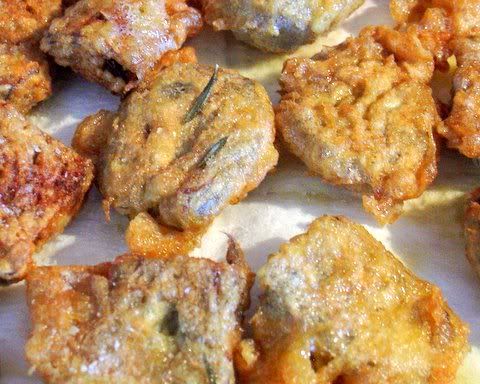
Drain the artichokes on paper toweling or any oil absorbent paper (I've been known to use paper shopping bags in a pinch) and salt them, then serve. They're good warm or at room temperature.

Tuesday, March 4, 2008

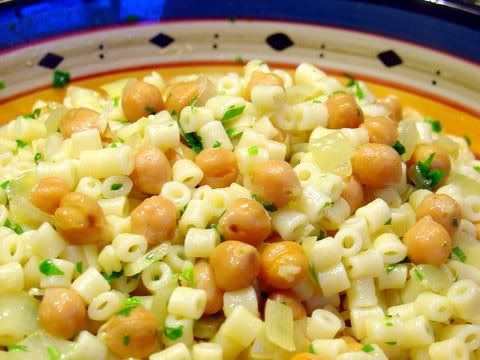
Ceci and Pasta

It's fitting that I should be writing out this recipe during Lent, because as we were growing up Mom made this recipe many times on meatless Fridays. Lent is the only time we're still required to have those days. It was either this or creamed tuna over toast. One day, when I'm feeling really nostalgic, I'll try to make that too, and I mean really nostalgic. Since ceci and pasta are traditionally a Southern Italian recipe, we can conclude that this is a family recipe influenced by Papa and Nana's desire to make food he would like.


Ingredients:
1 15 oz. can of ceci (garbanzo beans)
1 lb. ditalini or tubetti pasta (short tubes)
extra virgin olive oil
1 medium yellow onion
2 cloves of garlic
1/4C fresh parsley (Mom didn't use parsley)

Directions:

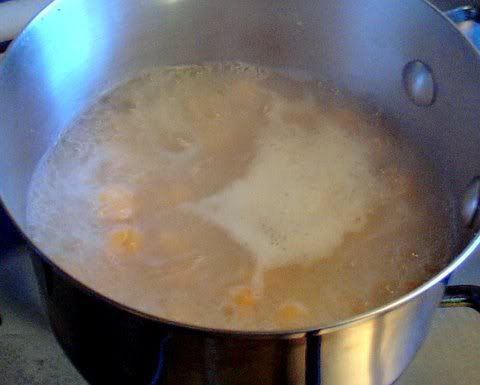
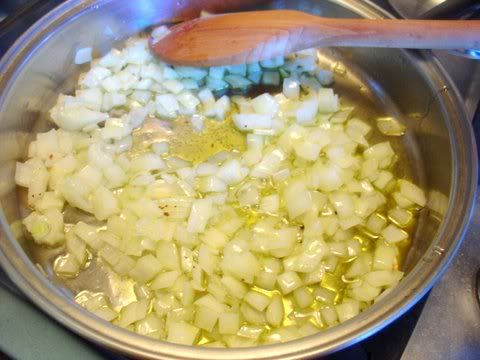
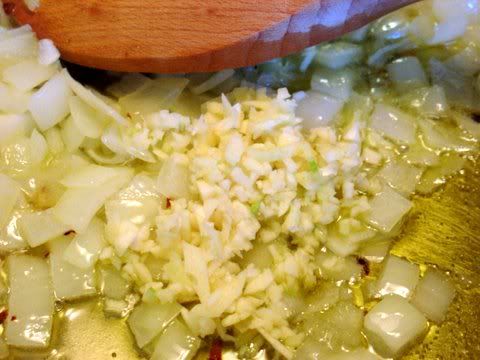
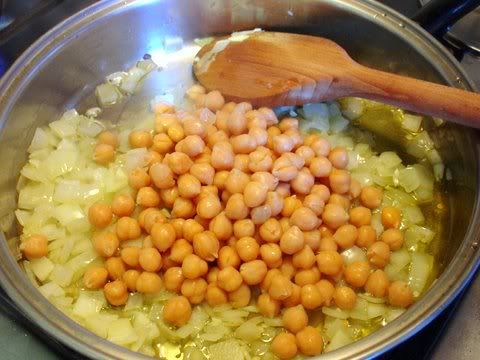
Fill a large pot of water and put in over a high flame to bring it to a boil for cooking the pasta. Heat a can of garbanzo beans until they become tender. Dice the onion and saute in olive oil over a medium flame until it has softened, then add the minced garlic and continue to saute.

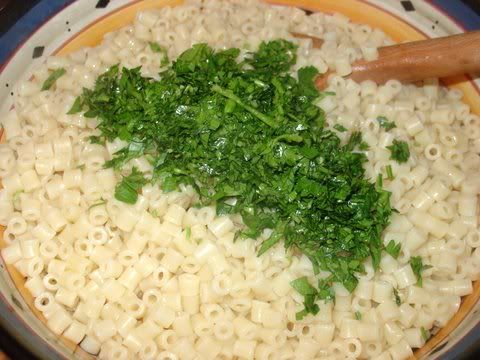
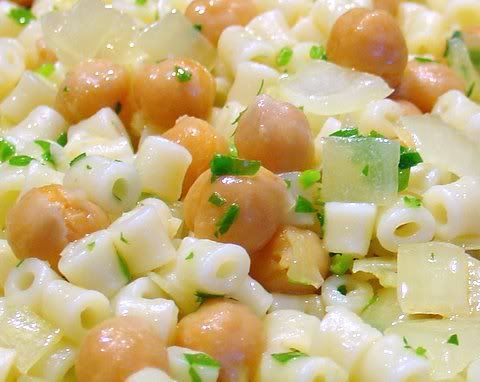
Drain the ceci, add to the saute pan and continue to saute and stir until all the ingredients are blended. In the meanwhile, cook the ditalini and drain, then place in a large bowl, adding a handful of chopped fresh parsley and mix. To that add the beans and onions, drizzling on enough fruity olive oil to moisten. Mom didn't use the garlic or parsley. Still, this pasta dish is a favorite memory from childhood.

Wednesday, February 27, 2008

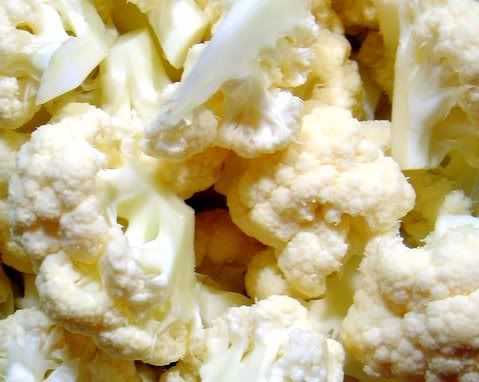
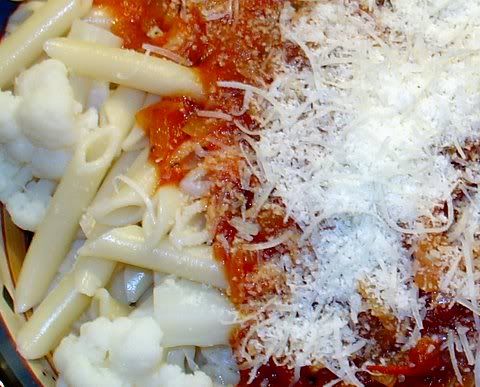
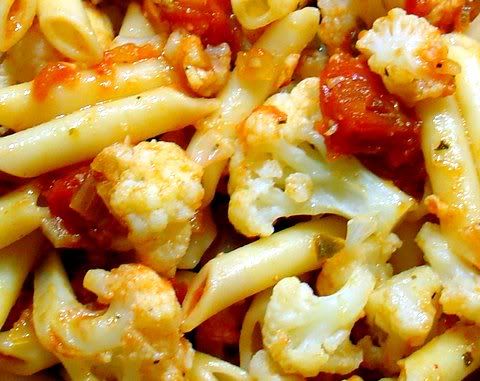
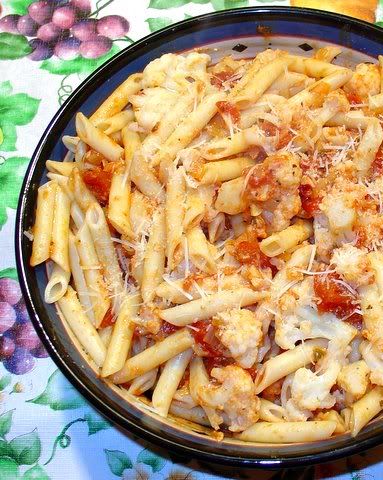
Mostaccioli with Cauliflower and a Simple Marinara Sauce

Mostaccioli was Nana's "go to" pasta. She made more pasta dishes with this pasta shape than with any other, in fact, I only remember her using mostaccioli, vermicelli, long ziti, ditalini and occasionally angel hair pasta. I digress...this dish is the way Nana got me to enjoy cauliflower. It's a Southern Italian treatment, so she may very well have gotten the recipe from Papa.


Ingredients for the Sauce:
1 15 oz.can of solid packed or stewed tomatoes
1 8 oz. can of Del Monte tomato sauce
1 medium yellow onion
2 cloves of garlic
red pepper flakes
dried basil (I don't think Nana used this)
extra virgin olive oil

Ingredients for the Pasta:
1 head of cauliflower
1 lb. mostaccioli or penne pasta
freshly grated Romano cheese

Directions for the Sauce:


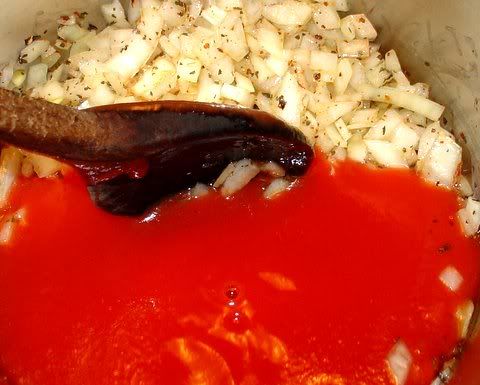
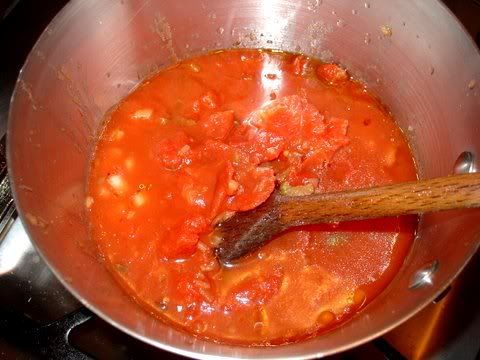
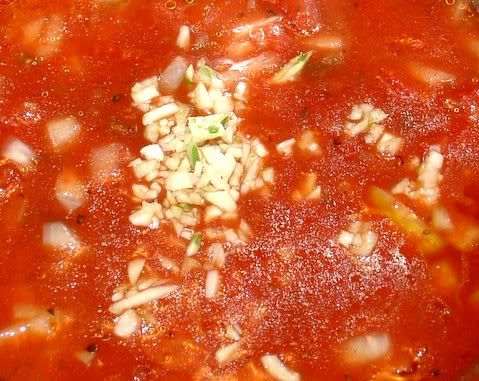
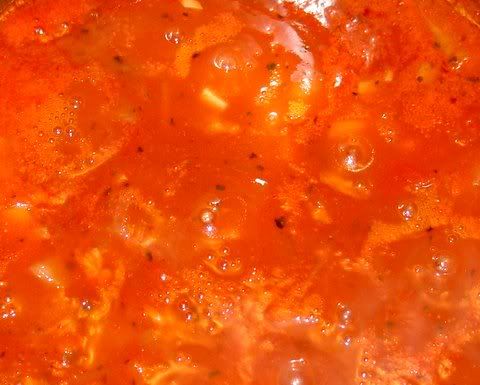
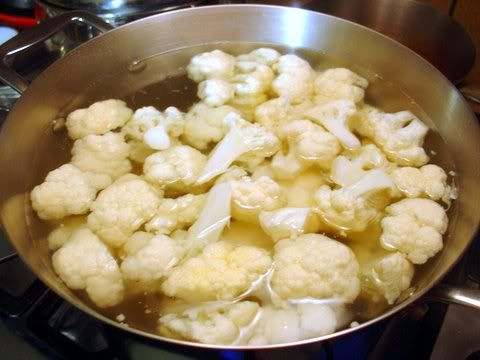
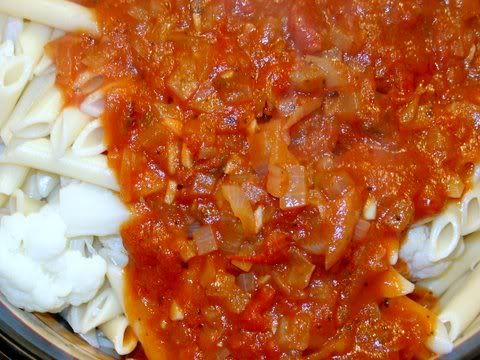
Dice the onion and saute over medium high heat in olive oil, then add chili pepper and basil and saute a few minutes longer. Add the can of sauce, then the stewed tomatoes and stir, then add the minced fresh garlic and lower the heat and simmer, until the pasta is ready to be dressed. Meanwhile put a 6 quart pot of water on to boil for the pasta and cauliflower.

Directions for the Pasta:

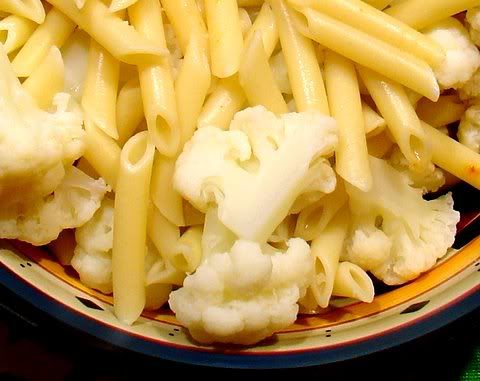
Cut the cauliflower in half lengthwise and start separating it into florets, larger pieces may be cut in half. Place the mostaccioli into the rapidly boiling water and stir to keep from sticking, then cover the pot and bring back to a rapid boil, now add the cauliflower. "Stir occasionally and test the pasta. When it is cooked to your liking, drain the vegetable and pasta.

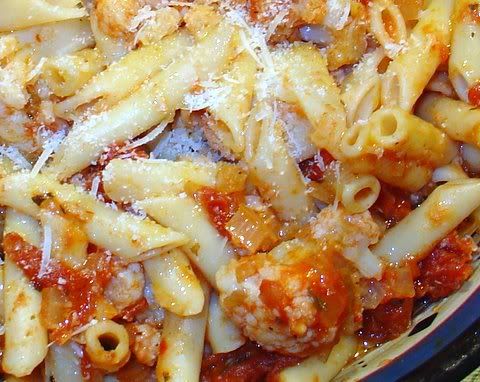
Place the drained cauliflower and pasta into a large bowl and cover with the sauce and a handful of the grated Romano, now stir to incorporate the sauce and cheese completely. Plate each serving and drizzle with a bit more olive oil and add more cheese if desired.

Tuesday, November 27, 2007

Nana's Salsa

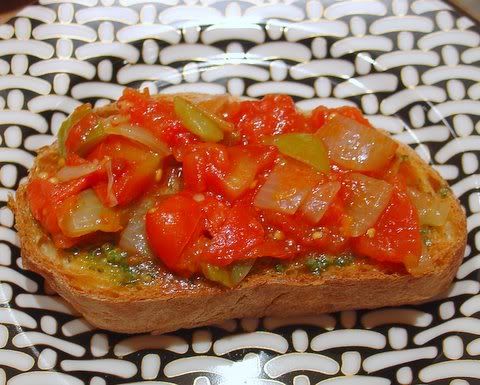
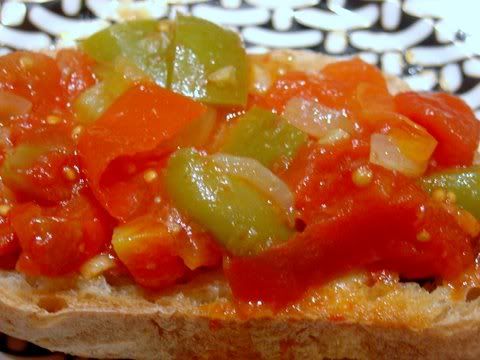
This is not a traditional salsa as it is cooked, not fresh, but it's the one we grew up with and used exclusively with French bread. We would have been happy to make a meal of it. I guess you could say it was Nana's bruschetta topping. It's perfect for topping a meatloaf too.


Ingredients:
2 large yellow onions
2 medium green Bell peppers
12 cloves smashed garlic
extra virgin olive oil for sauteing
8C Roma tomatoes
salt to taste

Directions:

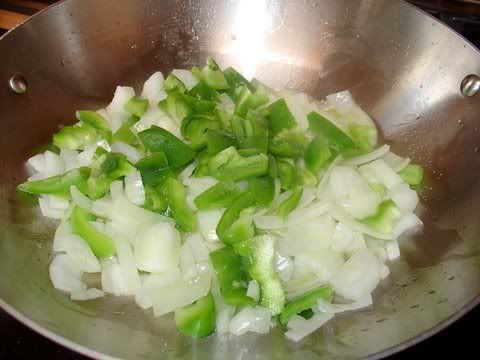
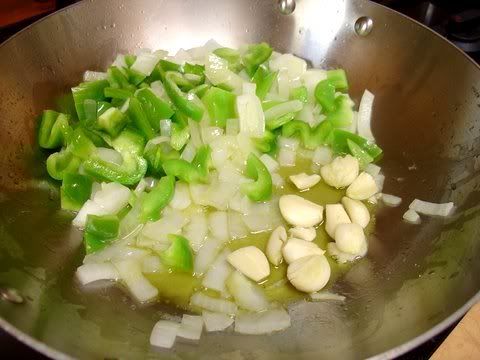
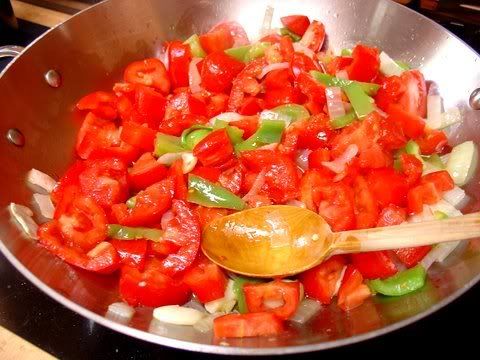
Cut the onions and peppers into large dice, sprinkle with salt and saute in the olive oil over a medium low heat until the onions become translucent. Add the mashed garlic cloves and saute until they soften a little, but do not change color.

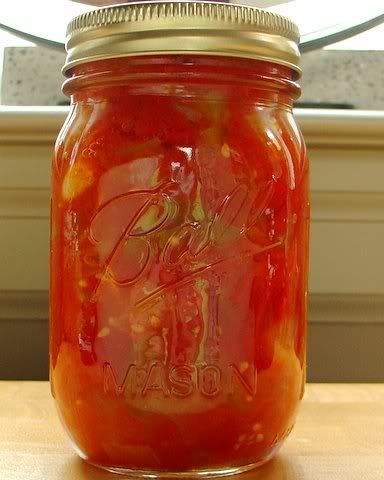
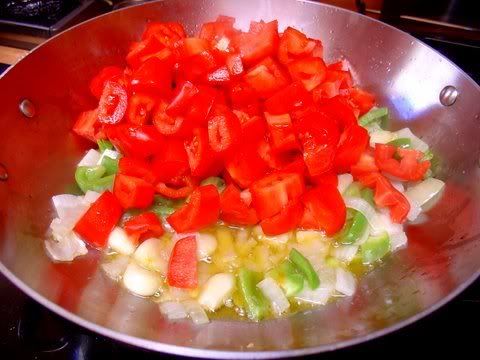
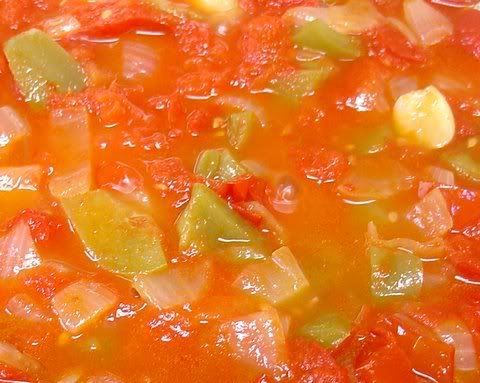
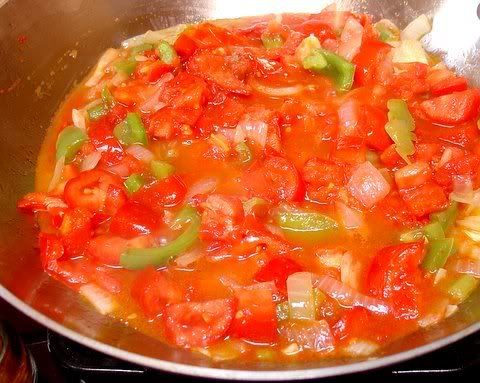
Rough chop the tomatoes and add to the onion mixture, stir in, salt and saute to break them down a bit, then cover the pot and lower the heat to simmer. When the tomatoes have cooked down, they're ready to add to sterilized jars and preserve. Place in a boiling water bath for 20 minutes.


This recipe will only make about 4 pints of salsa...not nearly enough!

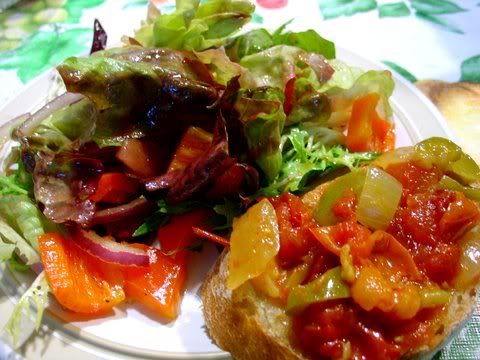
I actually did make a meal of it by adding a fresh salad that included uncooked salsa ingredients of fresh tomatoes, bell peppers and red onions instead of yellow, along with mixed salad greens of red butter lettuce and what Papa called "cicoria".

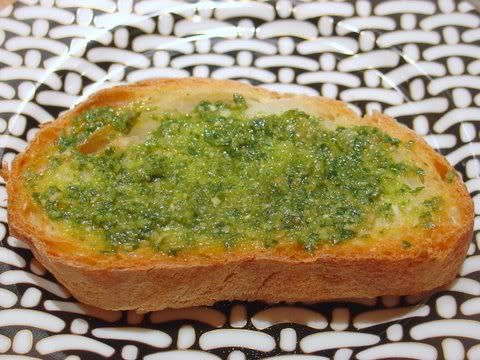
Nana used her "salsa" on plain French bread, but I decided to up the ante and toasted the bread, then layered it with some fresh pesto. It was good that way too, but no better than the way I originally tasted it.